
Who taught everyone to fear butter and wood.
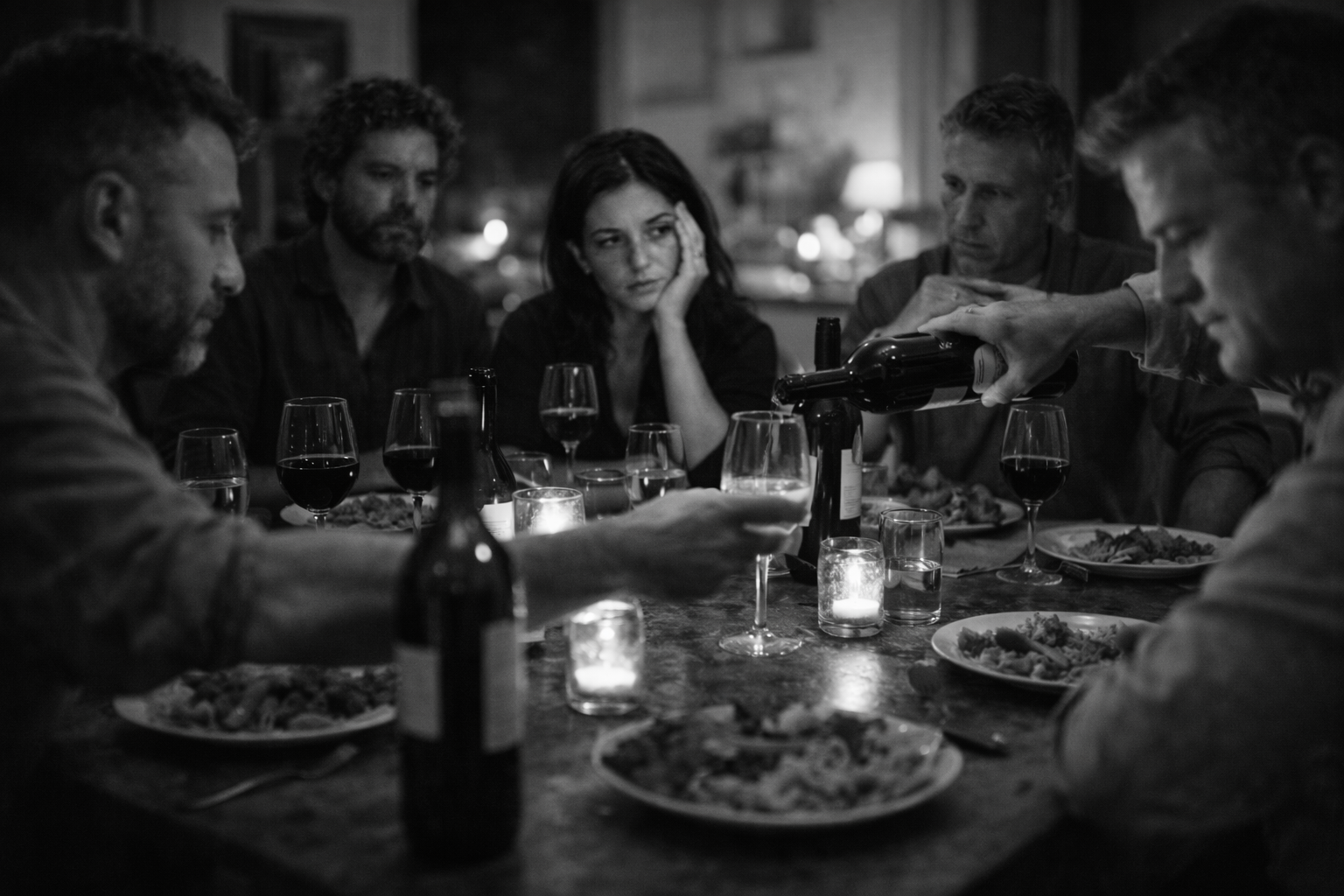
It came up halfway through dinner, right after the second course hit the table and the noise softened.
We were at my place. Food everywhere. Bottles lined up along the counter like punctuation marks. The kind of night where nobody’s performing—just cooking, opening things, arguing gently.
Someone reached for the fridge, scanning labels.
“Just not Chardonnay,” they said. Casual. Automatic. No edge to it.
A couple people nodded. One laughed. Another added, “Yeah, I’m done with that phase.”
No one explained what phase meant. They didn’t need to. The word carried the weight on its own.
This is where I hear it most now—not restaurants, not tastings, but dinners with people who drink wine all the time. Smart people. Curious people. People who like wine. Chardonnay has become the grape they reject before it can speak. A reflex passed around the table like a joke everyone already knows the punchline to.
Here’s the thing: nobody at that table actually hates Chardonnay. They hate what was done to it.
They hate the years when every bottle tasted like it had been soaked in a Home Depot aisle. Buttered popcorn. Vanilla extract. Toast stacked on toast. Wines engineered to feel expensive by being heavy, sweet-adjacent, and aggressively smooth. Chardonnay became shorthand for excess—and the backlash stuck.
So now people flinch at the word itself. Trauma response.
There was a bottle already open on the counter. Pale. Quiet. No chest-puffing label. I poured a glass without announcing anything. Acid first. Clean line. No makeup. No oak swinging its elbows. The wine felt awake. Useful. Like it wanted to sit with food, not dominate it.
Someone noticed.
“What is that?” they asked.
“Chardonnay,” I said.
They laughed. “No, it’s not.”
That’s the damage. Chardonnay is the only grape people refuse to recognize when it behaves well.
We’ve collapsed an entire category into its worst examples and then pretended we’re being discerning. It’s not discernment. It’s self-defense dressed up as taste.
I passed the glass.
There was a pause—just long enough for the rule to surface—then they took a sip.
“Oh,” they said. Not loudly. Not performatively. Just surprised.
“That’s… not what I expected.”
Exactly.
Chardonnay is a shape-shifter. It can be lean and sharp, round and generous, quiet and mineral, or broad and comforting. Oak isn’t the villain—it’s just loud when it’s overused. Butter isn’t inherent. It’s a choice. And like most choices made at scale, it got sloppy.
But wine culture doesn’t do nuance well. It does scars and slogans. Somewhere along the line, “I don’t like oaky Chardonnay” turned into “I don’t drink Chardonnay,” full stop. A generation opted out instead of learning how to ask for the version they actually want.
That’s a loss.
Because Chardonnay done right doesn’t announce itself. It doesn’t shout flavor. It gives you structure. It plays well with food. It adapts. It leaves room.
Glasses got refilled.
“I’ll have more of that,” someone said, then caught themselves. “I mean—if that’s okay.”
It was more than okay. It was the whole point.
Here’s the move if you’re Chardonnay-curious but still flinch when you see the word:
Don’t say “I hate Chardonnay.”
Say: “I want a white that’s fresh, high-acid, and not oaky.”
That sentence unlocks the good stuff. It tells the person pouring that you’re not afraid—you’re just done with being bludgeoned.
And if the wine still comes back wrong? Send it back. Calmly. That’s not trauma—that’s boundaries.
Chardonnay doesn’t need rehabilitation. People do.
Confidential note: Most wine grudges are really memories of bad decisions made by someone else.
Share:
How to Order Wine Without Getting Bullied
Natural Wine: Fun, Not Holy