

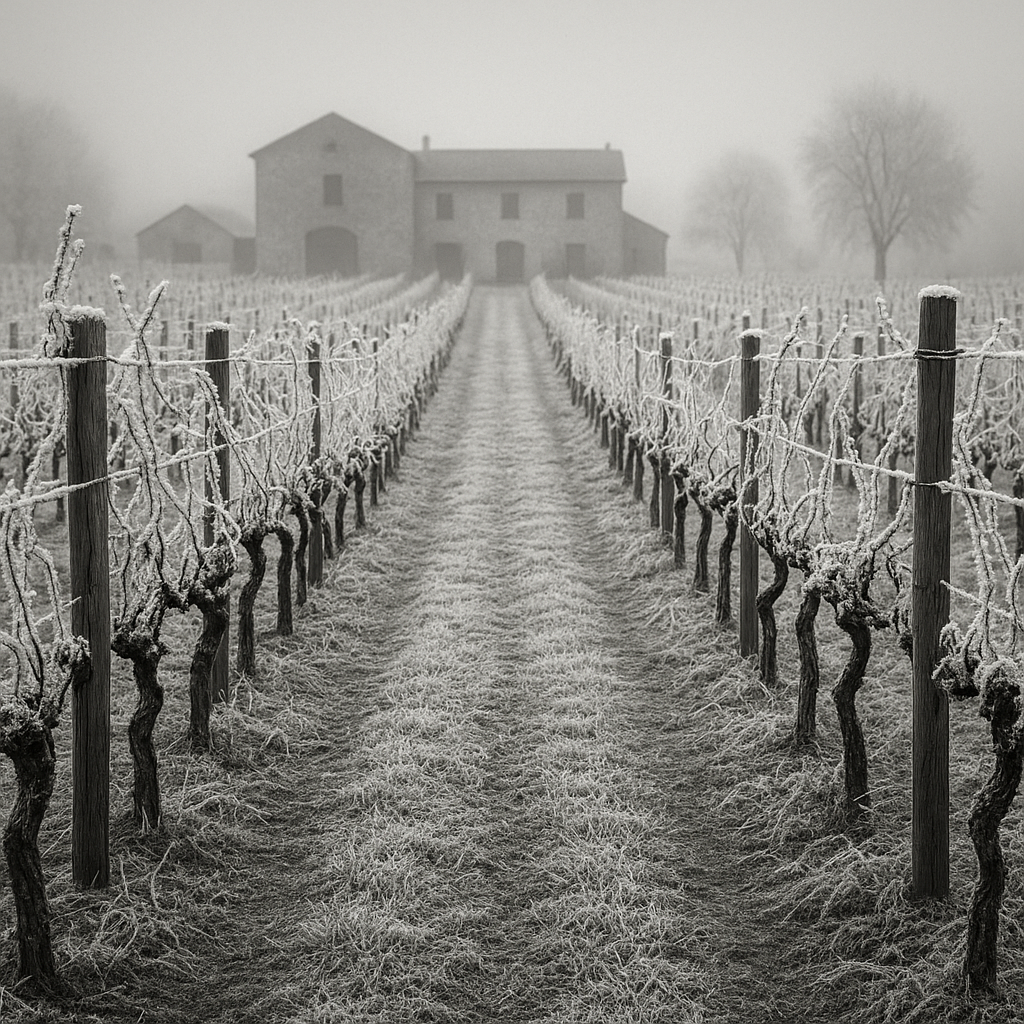
And why most people don’t get the reality of the wine industry
People think winter is when wineries sleep. Instagram certainly does. A frosty vine here, a romantic barrel shot there, winemakers smiling like they’re on sabbatical. Cute. But anyone who has ever stepped into a cellar in January knows the truth: winter isn’t calm, it’s chaos dressed in wool.
The vines shut down, sure. They drop their leaves and play dead while growers begin pruning with the emotional energy of someone working through childhood trauma. One cut too far and you’ve just robbed next year’s Cabernet of its potential; one cut too timid and the vine punishes you with watery fruit out of spite. It’s not poetry. It's cold fingers, dull blades, and the ongoing debate of “do we break for coffee or cry first?”
Inside the cellar, wine goes through puberty. Malolactic fermentation bubbles along like a moody teenager learning who it is. It smells strange, it gets temperamental, you taste it, you swirl it, you pray to gods you don’t believe in. This is the part the industry hides, because nobody wants to see a winemaker in a beanie with a turkey baster whispering “please behave” to a barrel at midnight.
Then blending hits. Twenty-plus glasses on a table, notes scribbled like ransom letters, three adults losing their minds over a 0.5 percent adjustment. It’s math, madness, and ego management disguised as elegance. The wines that taste effortless in your glass? They were born from weeks of disagreement, second-guessing, and someone eventually saying “wait… try THIS.”
Meanwhile, everything that survived harvest breaks. Pumps wheeze like asthmatics, forklifts catch feelings, hoses rebel. Winter is when equipment either gets repaired or becomes religion. You don’t operate it, you pray over it. Someone always slips, someone always swears, someone always pretends everything’s fine.
And yet, this is when the good deals happen. When the tasting rooms are empty and the tourists are reading self-help books instead of tasting flights, we’re in cold cellars shaking hands with the people who actually make the juice. While the industry hibernates, we hunt. We visit vineyards that don’t trend on TikTok. We taste wines that aren’t polished for press releases. We talk to producers who don’t have social media teams — they have soil under their nails and barrels older than your favorite influencer.
Most people think great wines are born in autumn when grapes get picked. Wrong. Autumn is chaos, noise, adrenaline. Winter is intention. Winter is where wines grow up. They learn structure, balance, identity. They decide what they want to be when you eventually uncrk them.
And while the big guys slow down, we press harder. We’re bottling a release next month we can’t talk about yet, working quietly while everyone else is asleep. Bringing in wines from places most distributors ignore because they don’t fit neatly into shelf talkers or discount bins. We’re not interested in wines that exist to look expensive — we want wines that taste unforgettable.
So next time someone tells you winter is the quiet season, smile. Let them believe it.
We know better. You do now too.
Winter is the winery’s confession booth — and the wine remembers everything.
Drink Different. Or Die Bored.
Cheers,
Bruno
Share:
Modern Day Bootlegging?
Almost New Year. Almost a Speech.